
Cilantro, also known as coriander in many parts of the world, is a widely cherished herb celebrated for its vibrant, citrusy aroma and unique flavor. Known scientifically as Coriandrum sativum, cilantro leaves are a culinary staple in cuisines spanning the globe, including multiple countries. Beyond its culinary appeal, leaf cilantro also boasts numerous health benefits, making it a must-have in every kitchen.
Appearance and Taste
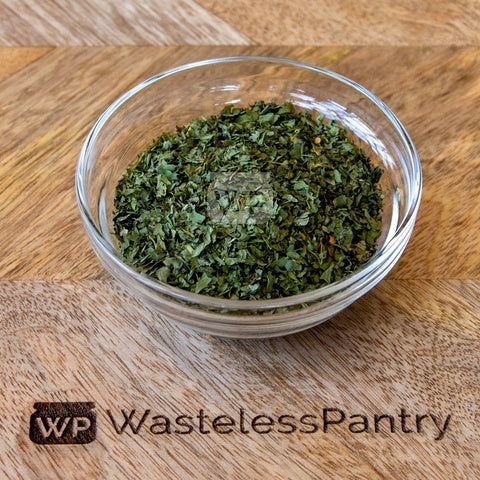
Cilantro leaves are bright green, feathery, and flat with delicate, serrated edges. The herb has a distinct flavor profile—a combination of citrusy, slightly peppery, and earthy notes. While some adore cilantro for its refreshing taste, others find it soapy due to genetic variations in taste perception.
Culinary Uses of Leaf Cilantro
Cilantro leaves are incredibly versatile and can be used fresh or as a garnish to elevate the flavor of various dishes.
Mexican Cuisine: Cilantro is an essential ingredient in guacamole and salsas and as a topping for tacos, burritos, and enchiladas.
Indian Cuisine: It adds a burst of freshness to curries, chutneys, and lentil dishes.
Thai and Vietnamese Cuisine: Cilantro pairs well with lime and chili, enhancing the flavors of soups, salads, and noodle dishes.
Mediterranean Dishes: The herb is a common addition to tabbouleh, dressings, and dips like hummus.
Health Benefits
Cilantro is more than just a flavor enhancer; it is packed with essential nutrients and antioxidants that contribute to overall health.
Rich in Vitamins and Minerals: Cilantro is a good source of vitamins A, C, and K, as well as potassium and manganese.
Detoxifying Properties: The herb is believed to aid in detoxification, particularly in removing heavy metals from the body.
Digestive Health: It contains compounds that may promote digestion and reduce bloating.
Antioxidant Power: The antioxidants in cilantro help combat free radicals, supporting cellular health.
How to Use and Store Cilantro
For the freshest flavor, use cilantro leaves raw or add them to cooked dishes just before serving. When storing cilantro, keep the stems in a jar of water, cover the leaves loosely with a plastic bag, and refrigerate. This method helps preserve the herb for up to a week. Alternatively, freezing chopped cilantro in ice cube trays with water or oil can provide a convenient way to store it for longer periods.
Growing Cilantro at Home
Cilantro is easy to grow, even for novice gardeners. It thrives in well-draining soil and requires plenty of sunlight. Regular harvesting of the leaves encourages more growth, ensuring a continuous supply of fresh cilantro. You need to go through this complete guide to get detailed knowledge regarding this field.
Conclusion
Leaf cilantro is a culinary gem that enriches dishes with its vibrant flavor while offering significant health benefits. Whether you’re garnishing a bowl of soup or blending it into a zesty chutney, cilantro adds a fresh, dynamic touch to every recipe. Cultivating and using cilantro is an easy way to elevate your meals and boost your health. Embrace the versatility of cilantro and let its refreshing flavor inspire your next culinary adventure.